
The conservation movement wasn’t created in a vacuum. It was built by people – flawed and complex -whose ideologies shaped the systems and stories we’ve inherited today. In July’s ECHO Digital session, The Past Isn’t Past: How History Shapes Conservation Today, we joined Parker McMullen Bushman, CEO of Ecoinclusive Strategies and one of Outside Magazine’s 20 Most Influential People in the Outdoor Industry, to examine those roots and explore how understanding the past can help us build a more inclusive, just, and purposeful future.
Here are six takeaways from our conversation that invite us to reflect, reckon, and rebuild.
6 Key Takeaways
-
We Didn’t Spill the Milk. But We’re Still Holding the Glass.
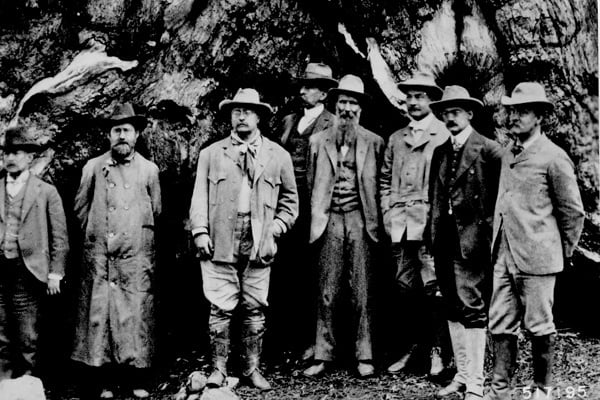
We may not have created the systems we’re part of, but we’re responsible for how we carry them forward . From John Muir’s vision of “untouched wilderness” that erased Indigenous stewardship to Madison Grant’s deeply harmful ideologies, conservation’s early narratives continue to shape who feels welcome, what stories are told, and how power is distributed today.
-
It’s a Relay, Not a Solo Sprint
Change is generational work. We didn’t start the race, and we won’t finish it. But we’re holding the baton now. What we hand off matters . That means having hard conversations, decentering dominant perspectives, and taking responsibility for designing systems with equity in mind.
-
Language Is Cultural
Words aren’t neutral—they reflect values, histories, and shape who feels welcome . Parker urged us to be intentional with the language we use in interpretation, storytelling, and even data collection. Something as simple as a survey question can perpetuate or disrupt harmful assumptions.
-
Privilege Is Having a System Designed With You in Mind
It’s a reminder that what feels “natural” or “default” often reflects the identities of those who build the system. If we’re not asking who’s not at the table, then we risk reinforcing the very systems we hope to change.
-
The Outdoors Isn’t Neutral
From segregated parks and pools to ongoing disparities in green and public space investment, access to nature has long been unequal. When people feel excluded from outdoor spaces, the solution isn’t outreach, it’s redesign. True inclusion means rethinking the system, not just extending invitations.
-
Learn the Stories. Carry the Baton. Shape What’s Next.
Parker’s invitation was simple: learn the stories. That means understanding the full truth of our history- especially the parts we weren’t taught. It means holding the complexity of legacy figures who both protected land and excluded people. And it means listening with humility to the voices and histories that haven’t been centered—yet.
The past isn’t past. But what we do with it is entirely up to us.