Toward Zero Carbon: John Ball Zoo's Next Chapter in Values-Driven Design
Sustainability in Motion
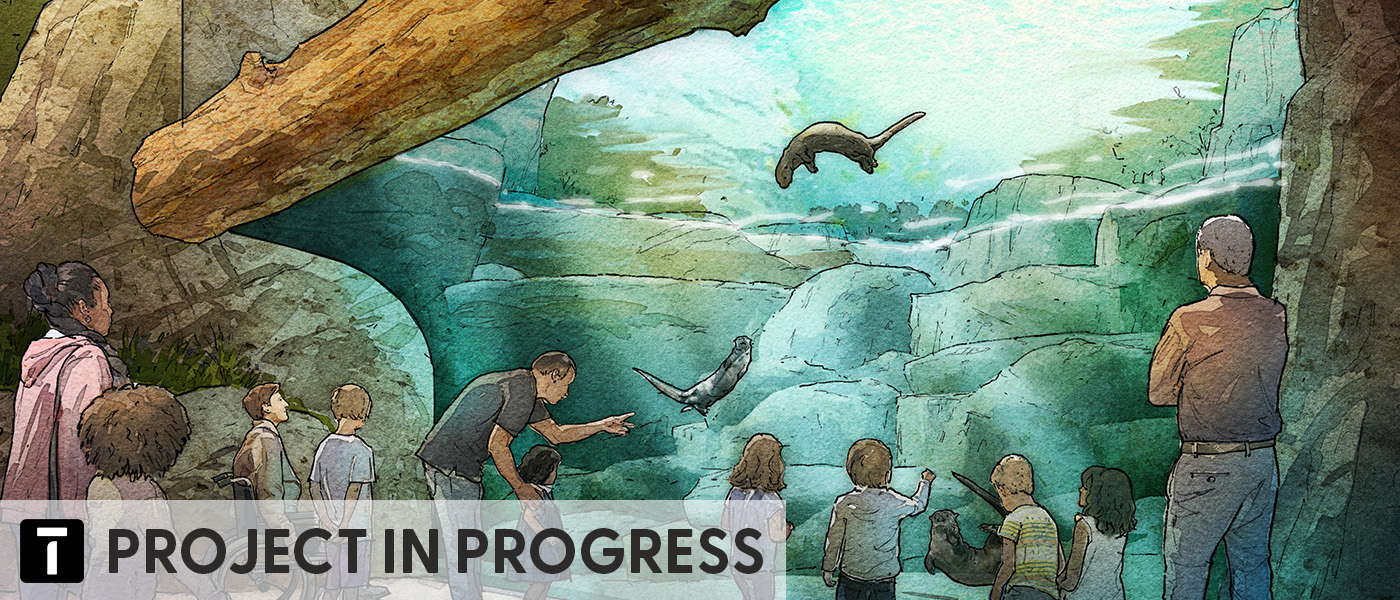
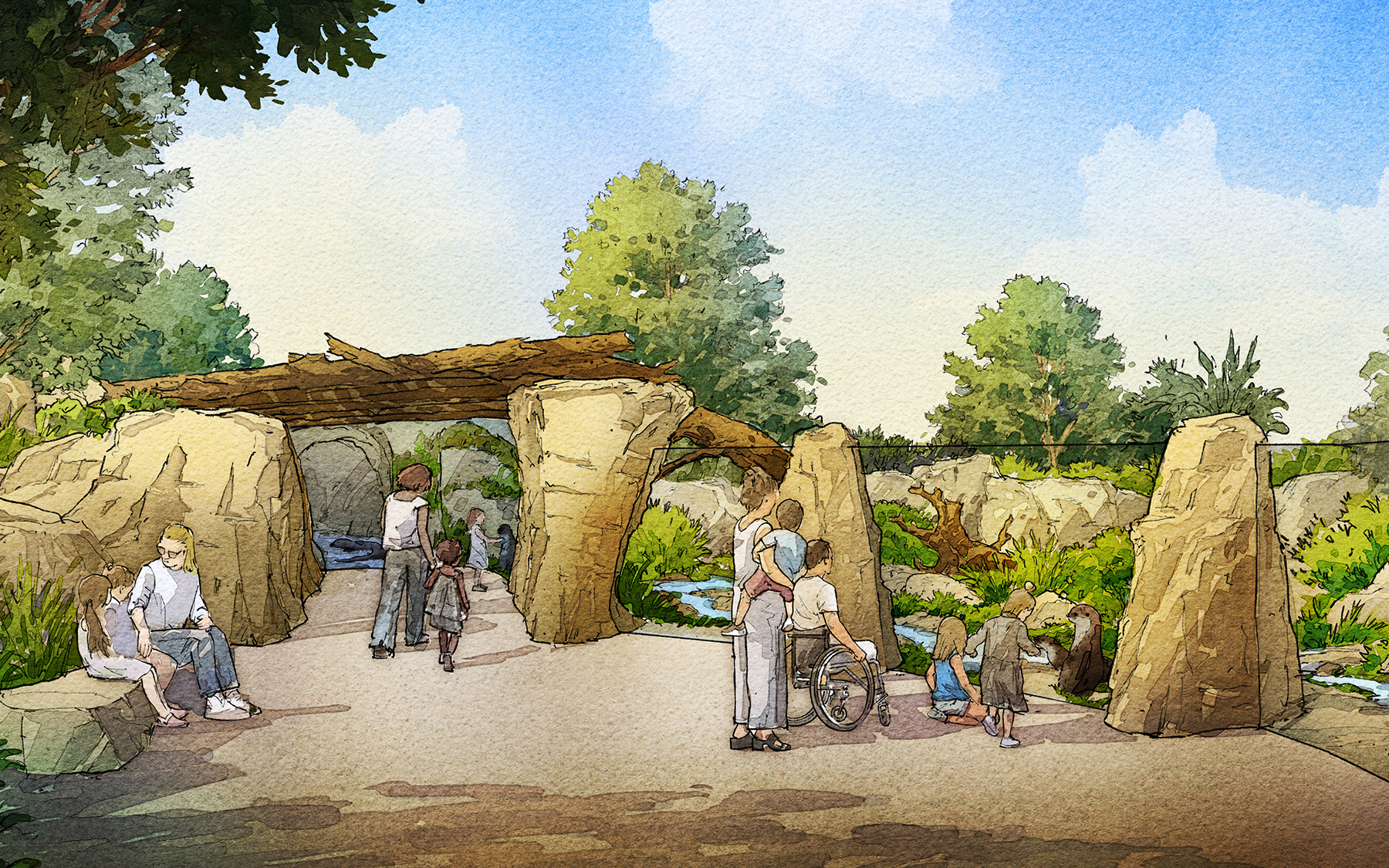
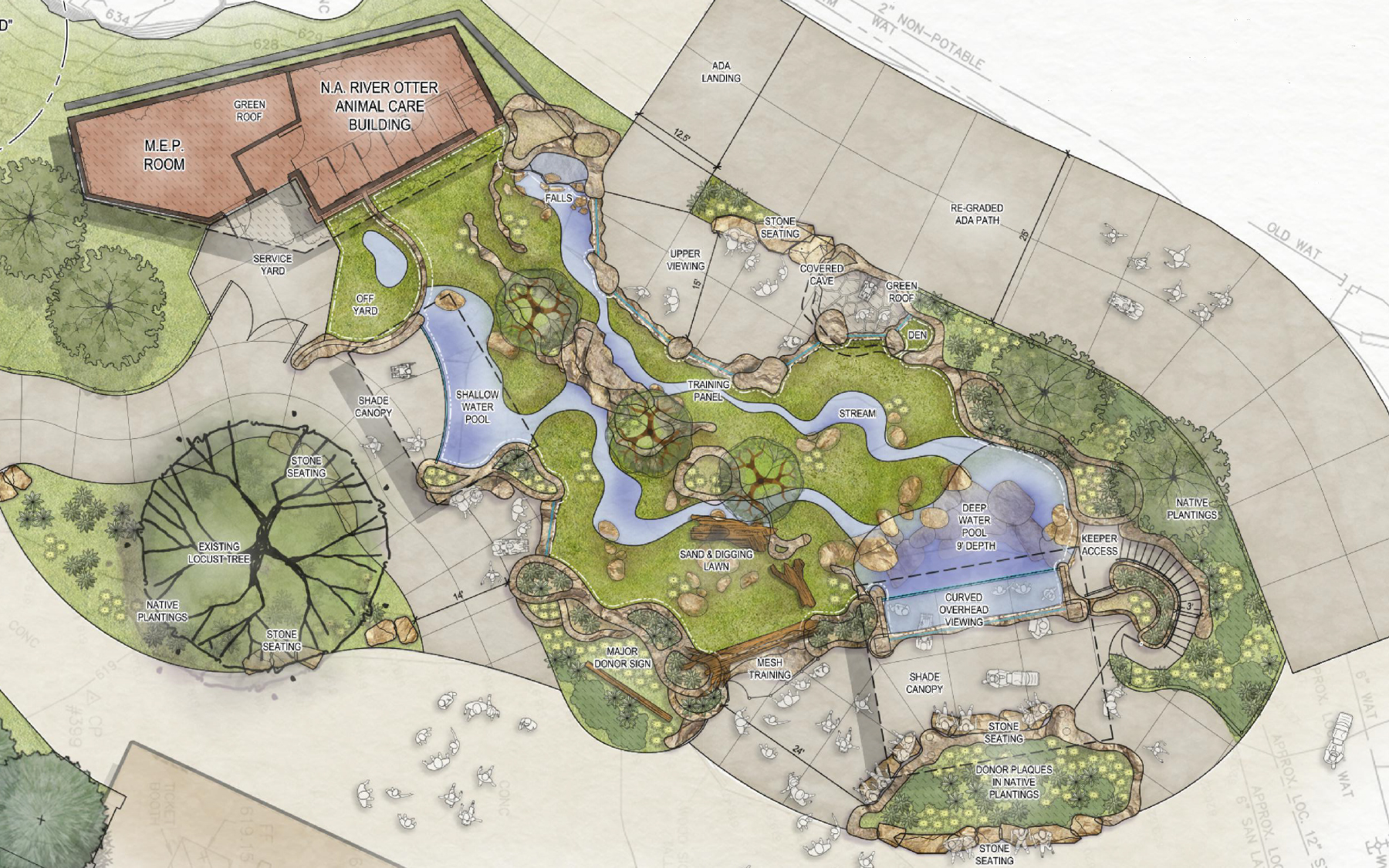
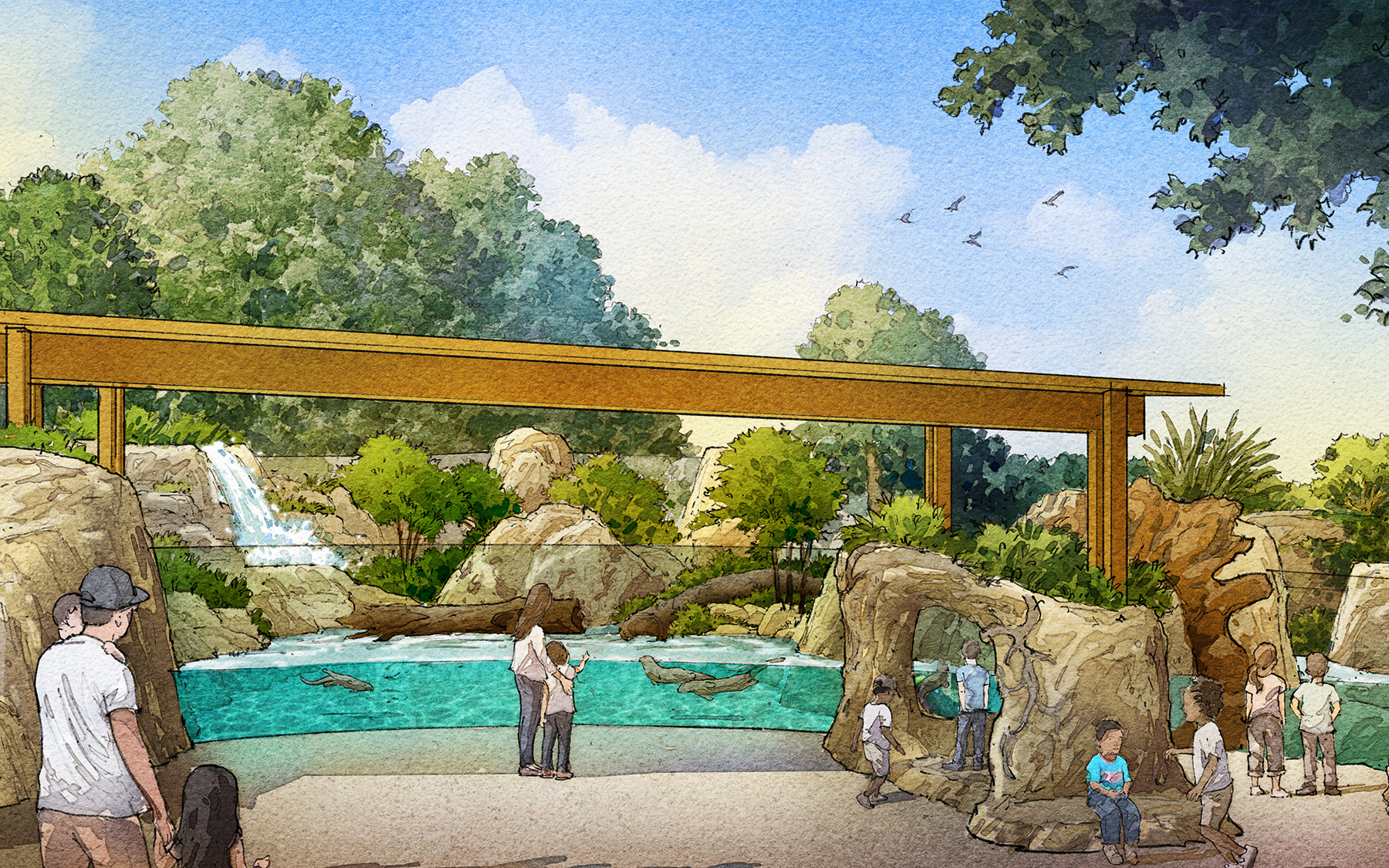
The North American River Otter Habitat is the first major project realized from John Ball Zoo’s 2024 Master Plan—and a defining step toward the Zoo’s vision for a more sustainable future. This new exhibit reimagines the Zoo’s arrival sequence with a fully immersive, behavior-rich environment that brings visitors eye-to-eye with otters above and below water.
Every design choice reflects a shared commitment to animal wellbeing, operational efficiency, and environmental responsibility. The project is tracking Zero Carbon Certification through the International Living Future Institute—positioning it among the nation’s first zoo exhibits to pursue this distinction. From geothermal heating systems and solar arrays to a green roof and low-carbon concrete mix using twice the traditional percentage of recycled slag, sustainability is embedded in every layer of the design.
Designing for Purpose
Behind the scenes, the habitat’s life support system manages more than 25,000 gallons of freshwater through energy-efficient hydraulics, sand filtration, ozonation, and geothermal temperature control. These systems maintain pristine water quality and stable temperatures while reducing energy use by more than 70%.
The landscape integrates varied terrain, waterfalls, and enrichment zones that encourage natural play and hunting behaviors, supported by feeding cannons and ample space for up to five otters. The design also navigates the Zoo’s steep topography through creative accessibility solutions—ensuring an inclusive guest experience that connects people with wildlife while protecting the integrity of the site.
A Living Model for Change
With its deep integration of sustainability, animal welfare, and visitor engagement, this North American River Otter Habitat exemplifies John Ball Zoo’s mission to make conservation tangible. From systems to surfaces, it proves that sustainability isn’t a simple certification or add-on—it’s the foundation of how spaces for animals and people can thrive together.
This project is currently in progress.
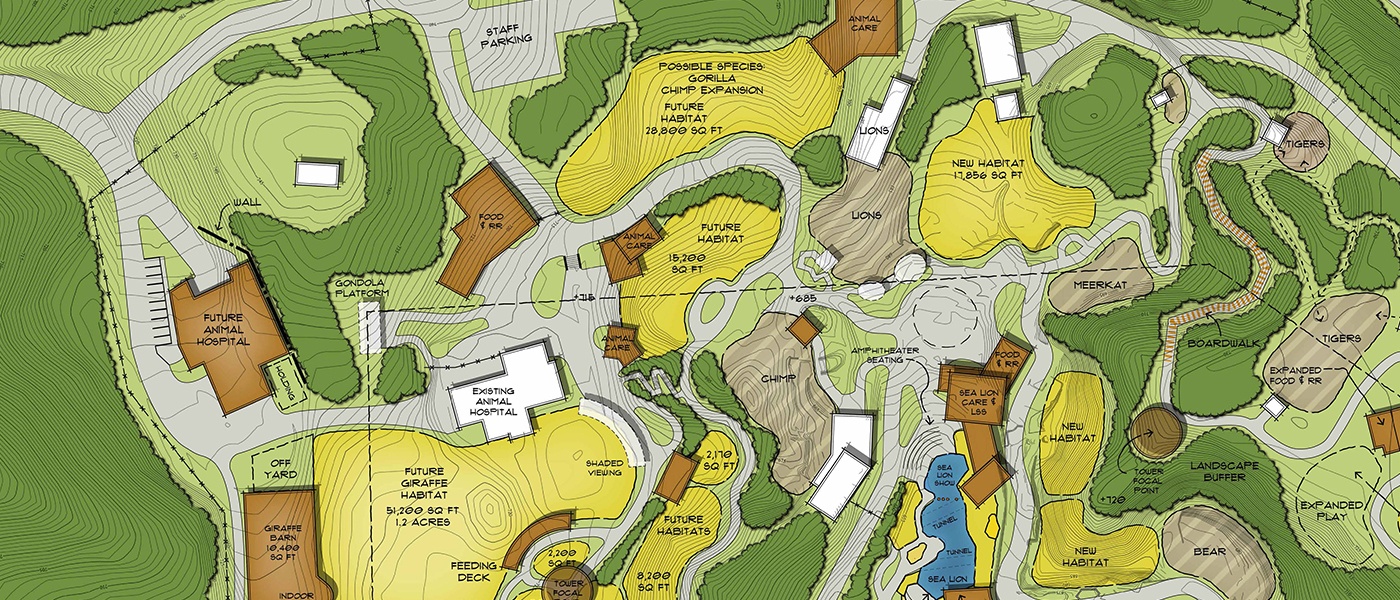
Explore the master plan that guided this project here!
Related Projects
INSPIRE THE LOOK OF TOMORROW
Think of what we could create together. Please get in touch.